If those stylish tinted sunglasses you see everywhere are just another passing trend, or if they actually serve a real purpose? You’re not alone. With so many colors, shapes, and styles on the market, it’s easy to think they’re purely about fashion. But here’s the truth: colored sunglasses aren’t just a vibe — they’re a smart, functional choice for your eyes and your everyday lifestyle.
From enhancing vision in bright sunlight to boosting your mood or even matching your personal aesthetic, tinted lenses offer way more than meets the eye. And with so many options now including UV protection and high-quality materials, you can enjoy both safety and style — no compromise needed.
Why Colored Sunglasses Are Making a Serious Comeback
Let’s be real — colored sunglasses aren’t just a passing trend from the early 2000s anymore. They’ve officially made a comeback, and this time, they’re here to stay. What used to be seen as just a playful fashion statement has evolved into something way more versatile. These days, tinted sunglasses are a mix of style, comfort, and smart eye protection — all in one cool package.
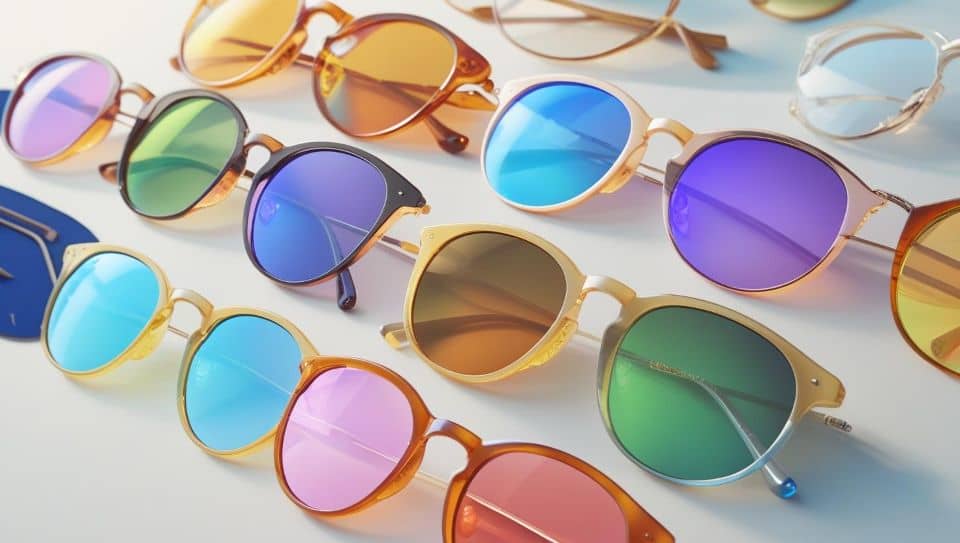
So, why are more people swapping out their basic black lenses for shades of yellow, rose, green, or blue? It’s simple: colored lenses do more than look good — they feel good. Different tints can actually help with specific lighting conditions, boost your mood, and reduce glare depending on where you are.
- Green or grey-tinted lenses are perfect if you’re walking around a bright city and need balanced vision without distorting colors.
- Amber and brown lenses are ideal for outdoor adventures — they sharpen contrast and give everything a warm, golden hue.
- Blue and purple lenses are not just eye-catching — they reduce screen glare and look amazing in low-light selfies (yes, we said it).
And here’s the kicker: these fashionable sunglasses aren’t just for looks anymore. With options that include UV400 protection and even polarization, you’re getting both function and flair.
Choosing the Right Lens Color Based on Your Daily Routine
When it comes to choosing the best lens color for sunglasses, your everyday habits should guide your decision. It’s not just about picking the coolest shade on the shelf — it’s about finding a tint that actually helps you see better based on where you go and what you do.
Think of your sunglasses as gear, not just accessories. The right lens color can reduce eye strain, improve contrast, and even make you feel more comfortable in certain environments. Here’s how to match your tinted lenses to your lifestyle:
- If you’re always driving — especially during sunrise or sunset — amber or copper lenses are your best bet. They cut through glare and help you see the road more clearly, especially in changing light.
- For people who spend time near water or snow, blue or mirrored green lenses help filter out harsh reflections and provide sharper detail.
- Live in a city and walk a lot? Go for gray lenses — they offer the most natural color perception and reduce brightness without distorting what you see.
- If you’re often on your phone or laptop outdoors, rose-tinted or pink lenses can ease digital eye fatigue while still giving you full UV protection.
And for those who want the all-in-one solution? Photochromic lenses (also called transition lenses) adjust with light. They’re great for folks who go back and forth between indoor and outdoor spaces and don’t want to carry two pairs of glasses.
How to Style Colored Sunglasses and Instantly Elevate Your Look
If you think colored sunglasses are just a bold choice for runway models or festival goers — think again. With the right outfit pairings, anyone can pull off fashion sunglasses that stand out without looking over the top. The trick is knowing how to balance color, contrast, and confidence.
Start with this simple rule: tinted lenses are like jewelry — they’re meant to complement, not compete. If your outfit is neutral (think black, white, tan, or denim), don’t be afraid to go wild with brighter lenses like yellow, pink, or mirrored green. They’ll instantly make your look feel fresh and modern.
On the flip side, if your outfit is already colorful or patterned, choose sunglasses with subtle tints — like light gray, soft rose, or gradient brown — to keep things stylish but not chaotic.
Here are a few easy ideas to make your shades work with your wardrobe:
- Pair pastel-tinted lenses with flowy fabrics and light colors for a dreamy spring or summer vibe.
- Style bold red or orange lenses with monochrome outfits (all-black or all-white) for an instant pop.
- Coordinate with accessories like your shoes, bag, or nail color for a polished, intentional feel.
- Use mirrored or color-shifting lenses to add dimension if you’re wearing a sporty or edgy outfit.
Colored lenses don’t just protect your eyes — they complete your look. Whether you’re heading to brunch, out shopping, or just walking the dog, statement eyewear can turn even a simple T-shirt and jeans into something seriously cool.
Remember: your sunglasses are often the first thing people notice. Why not let them say something fun?
Are Tinted Sunglasses Safe for Your Eyes? What You Need to Know Before You Buy
Let’s clear up a common question: are tinted sunglasses actually safe for your eyes? The short answer — yes, but only if you’re picking the right pair.
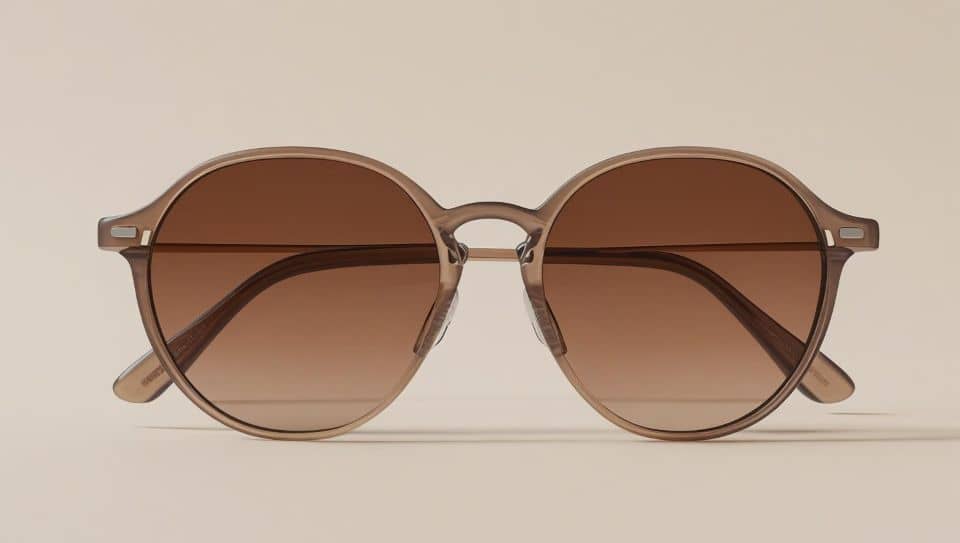
Not all colored lenses are created equal. Some budget fashion sunglasses might look great on the outside, but if they don’t offer proper UV protection, they could do more harm than good. That’s because tinted lenses reduce the amount of visible light your eyes take in, which causes your pupils to dilate. And if harmful UVA and UVB rays are still getting through, your eyes are even more exposed than they would be without sunglasses at all.
Here’s what to look for to make sure your colored sunglasses are truly eye-safe:
- ✅ UV400 protection – This blocks 100% of UVA and UVB rays, which helps protect against cataracts, macular degeneration, and long-term eye damage.
- ✅ Certified lenses – Look for labels like ANSI Z80.3 or CE Marking, which ensure compliance with international eye safety standards.
- ✅ Polarized options – While not necessary for UV protection, polarized tinted lenses reduce glare from reflective surfaces like roads or water, which helps reduce eye fatigue and strain.
- ✅ Impact resistance – Especially if you’re active, shatter-resistant materials like polycarbonate or Trivex add an extra layer of eye safety.
So yes — safe tinted sunglasses absolutely exist. But you need to go beyond just style. It’s not about how dark or colorful the lenses look — it’s about what’s built into them.
How Tinted Sunglasses Can Change the Way You See — and Feel
Here’s something you might not expect: the color of your tinted sunglasses can actually affect how you feel — not just how you see. While most people choose colored lenses to match their outfit or cut down on glare, certain tints are known to influence your mood, energy, and even mental focus.
Let’s break it down.
- Yellow and orange lenses are known for creating a sense of warmth and optimism. They filter out blue light and boost contrast, which can lift your mood on cloudy days or early mornings. Great for driving, cycling, or just when you need a mental pick-me-up.
- Green-tinted sunglasses offer a calming, balanced visual experience. They reduce glare and enhance contrast without over-saturating colors — making them a popular choice for outdoor enthusiasts and golfers.
- Pink or rose lenses do more than look cute — they’re incredibly soothing for the eyes and can help reduce eye strain during extended wear. People often choose them for long commutes or daily errands in bright city light.
- Blue lenses are cool in every sense of the word. They offer a chill, futuristic vibe and help tone down harsh light, especially around reflective surfaces like water or snow. Plus, they’re perfect if you’re after that stylish, standout look.
What’s wild is that choosing the right tinted sunglasses isn’t just about fashion or eye protection — it’s also about enhancing your experience of the world. The right color can change the way colors pop, the way you perceive depth, and even how relaxed or alert you feel.
Final Thoughts:
Ultimately, tinted sunglasses are more than just a cool accessory; they are a practical and personalized way to protect your eyes and express your personal style. Whether you’re looking for a pair that enhances contrast, reduces glare, or simply makes you stand out, there’s a lens tint to suit your specific needs.
Best of all? You don’t have to sacrifice appearance for function. With today’s advanced lens technology, a single pair of glasses can provide comprehensive UV protection, everyday comfort, and a confident, sophisticated look.
So, if you’re ready to see the world in a new light—literally—perhaps it’s time to try tinted sunglasses. Because great vision always comes with great style.
Frequently Asked Questions
1. Do colored sunglass lenses offer the same UV protection as dark lenses?
Yes, the color or darkness of a lens does not determine its ability to block UV rays. High-quality tinted sunglasses—regardless of whether they are yellow, pink, or blue—should offer UV400 protection, which blocks 100% of UVA and UVB rays. It is a common misconception that darker lenses are safer; in fact, a light-tinted lens with UV400 certification is far superior to a very dark lens that lacks a UV-protective coating.
2. Which lens color is best for driving in different lighting conditions?
For driving, amber, copper, or brown lenses are highly recommended. These tints enhance contrast and improve depth perception, making it easier to spot brake lights or traffic signals against a bright sky. They are particularly effective during "golden hour" (sunrise or sunset) as they filter out scattered blue light and reduce glare from the road, providing a much clearer and more comfortable driving experience.
3. Can yellow-tinted sunglasses actually improve my mood?
While primarily designed for function, yellow and orange lenses are often associated with increased warmth and optimism. Technically, these tints filter out blue light and increase contrast, which can make a gray, overcast day appear brighter and sharper. This "visual brightening" effect is why many cyclists and skiers prefer yellow lenses for low-light environments, as it helps maintain mental focus and alertness.
4. Why are rose and pink lenses popular for reducing eye strain?
Rose-tinted or pink lenses are excellent for long-term wear because they are incredibly soothing to the eyes. They improve depth perception and contrast in most lighting conditions while filtering out a portion of blue light. This makes them an ideal choice for city walking or even daily errands, as they help reduce visual fatigue caused by the harsh glare of white concrete or digital screens without distorting natural colors.
5. How do green lenses differ from standard gray lenses?
While gray lenses provide the most neutral color perception (seeing colors exactly as they are), green-tinted sunglasses offer a slightly higher contrast. Green lenses filter some blue light while maintaining a balanced color balance, which helps reduce glare and brightens shadows. This makes them a favorite for outdoor enthusiasts—such as golfers or hikers—who want a calming visual experience that makes textures like grass and foliage pop.