If you’ve ever shopped for sunglasses, you’ve probably seen the label UV400 Mean in Sunglasses printed on tags, websites, or lens packaging. Most people nod, assume it means “good protection,” and move on. Speaking honestly, that little number causes more confusion than clarity in my optical shop. After fitting tens of thousands of glasses over the past 20 years, I can tell you this: UV400 is one of the most important things to understand before buying sunglasses, and one of the most misunderstood.
This guide breaks down what UV400 really means, how it protects your eyes, and why it matters more than lens color or brand names. I’ll also share real-world examples from my practice, lab test data, and what industry standards actually say, not just marketing slogans.
What Does UV400 Mean in Sunglasses, Exactly?
UV400 means that a sunglass lens blocks ultraviolet light with wavelengths up to 400 nanometers. That includes UVA (315–400 nm) and UVB (280–315 nm) rays, which are the two types known to damage the human eye.
In plain language, uv 400 protection equals 100% UV protection.
I often explain it this way to customers in-store: if UV light were rain, UV400 sunglasses are a full umbrella, not just a hat. Anything less than 400 nm leaves gaps, and UV radiation loves finding gaps.
From an optical lab perspective, this isn’t guesswork. Certified UV400 lenses are tested using spectrophotometers that measure exactly how much UV passes through the lens material. If transmission is under 1% up to 400 nm, it qualifies.
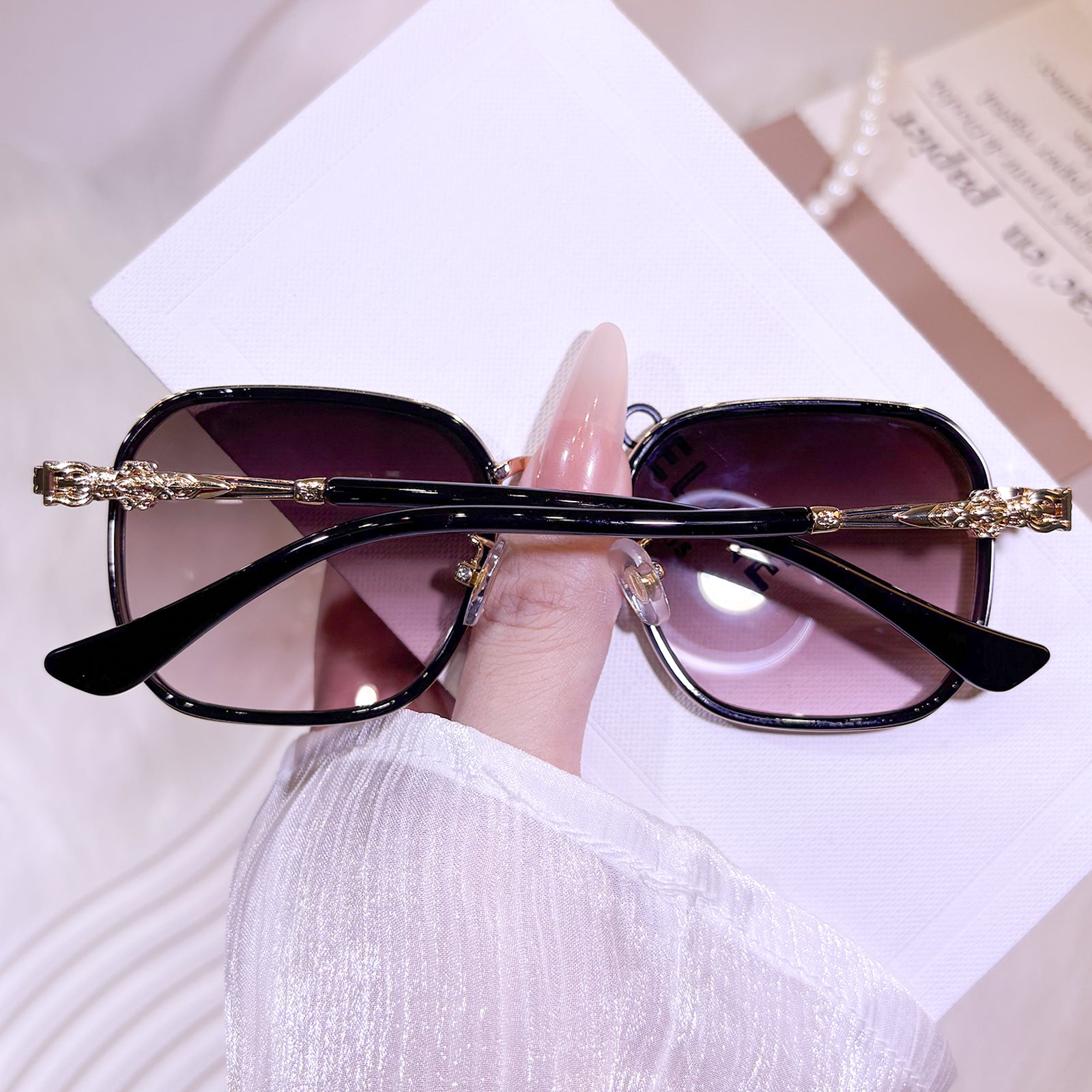
Why UV Protection Matters More Than Dark Lenses
A lot of people still believe darker lenses protect eyes better. I hear this weekly… sometimes daily.
Here’s the issue: dark lenses without UV400 can actually be worse than wearing nothing.
When lenses are dark, your pupils dilate. If the lens doesn’t block UV, more harmful rays enter the eye. I’ve seen patients with early signs of photokeratitis and pterygium who wore fashion sunglasses with no UV protection at all.
Studies published by the American Academy of Ophthalmology show that up to 90% of UV damage to the eyes is cumulative. That means small daily exposure adds up over years. Not dramatic. Just quiet damage.
This is why uv protection sunglasses 400 is a non-negotiable in my recommendations.
UV400 vs UV Protection: Are They the Same Thing?
Short answer: not always.
Some sunglasses say “UV protected” without specifying the range. That’s a red flag.
True UV400 sunglasses clearly state:
- UV400
- 100% UV protection
- Blocks UVA & UVB
If the label just says “UV protection,” it could mean partial blocking, sometimes only up to 380 nm. That still leaves a chunk of UVA exposure, which penetrates deeper into the eye and contributes to retinal damage.
From a professional standpoint, I only trust lenses that meet ISO 12312-1 or ANSI Z80.3 standards. These certifications require verified UV400-level blocking.
Real Case From My Practice: Why UV400 Is Not Optional
A few years back, a 42-year-old cyclist came in complaining of glare sensitivity and blurry vision after long rides. He wore stylish mirrored sunglasses, bought online, no clear UV rating.
We tested his lenses. UV transmission was around 18% at 395 nm.
That’s bad.
After switching him to certified uv400 polarized sunglasses, his symptoms improved within weeks. No medication. No surgery. Just correct protection.
This is why I push education so hard. Sunglasses aren’t just accessories. They’re protective equipment.
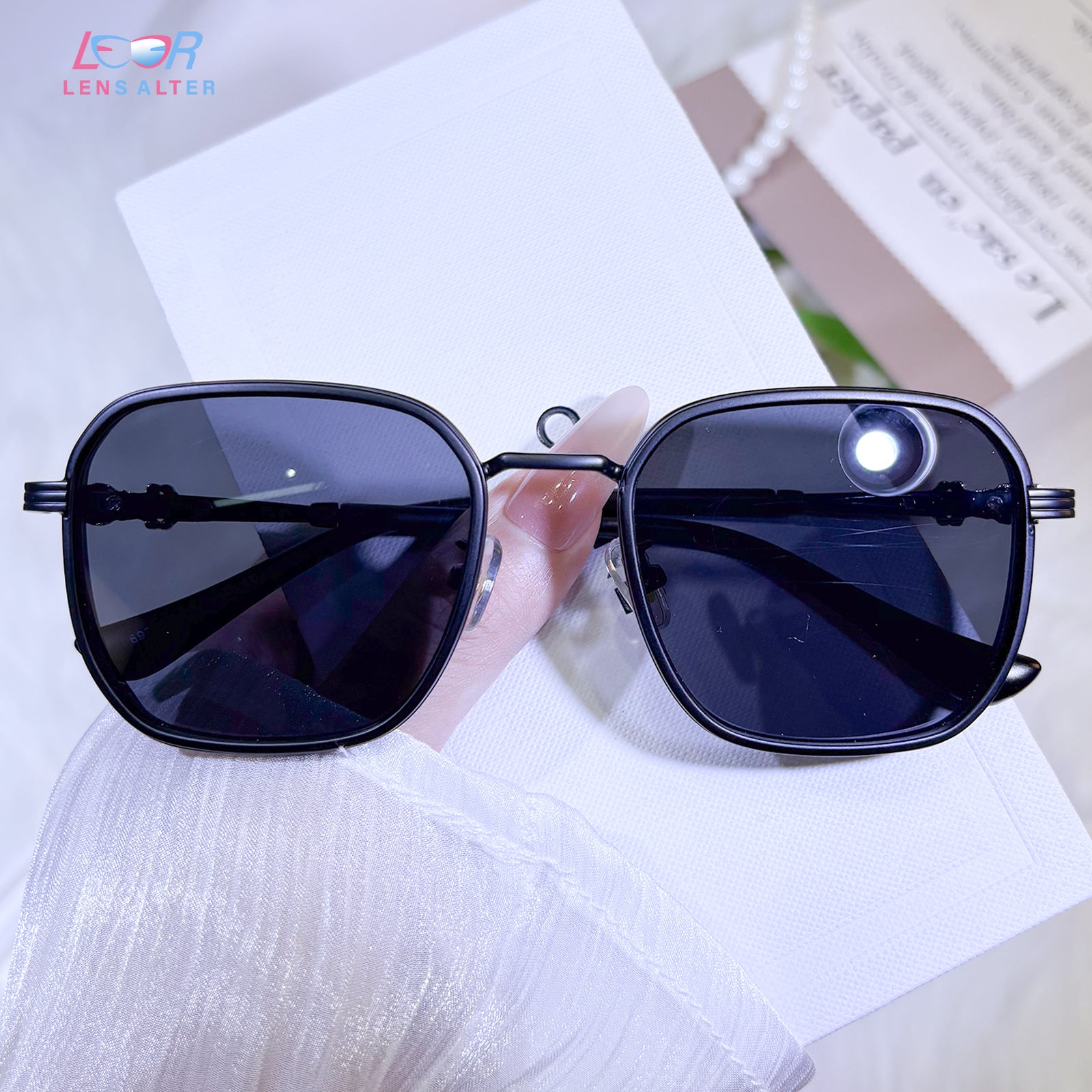
Does UV400 Mean Polarized?
This is another common misunderstanding.
UV400 and polarization are two different things.
- UV400 blocks ultraviolet radiation
- Polarized lenses reduce horizontal glare from water, snow, and roads
You can have UV400 without polarization.
You can have polarization without UV400… and that’s dangerous.
The best option, especially for driving, fishing, or outdoor sports, is uv400 polarized sunglasses. You get full UV protection plus glare reduction, which reduces eye strain and improves contrast.
I personally wear polarized UV400 lenses during long clinic days when stepping outside between patients. Less squinting, less fatigue.
How UV400 Sunglasses Are Tested
In certified labs, lenses are tested using UV-visible spectrometers. The machine sends light across wavelengths and measures transmission.
For uv 400 protection, results must show:
- Less than 1% UV transmission from 280–400 nm
- Stable protection even after lens tinting or coating
Cheap sunglasses often fail after tinting. The dye darkens visible light but doesn’t stop UV. That’s why material matters.
Polycarbonate and Trivex lenses naturally block UV up to 400 nm, even without coatings. CR-39 plastic requires a UV treatment layer.
This is why I always ask where lenses are manufactured and how they’re tested.
Are UV400 Sunglasses Necessary on Cloudy Days?
Yes. And this surprises people.
Up to 80% of UV rays penetrate cloud cover. Snow reflects nearly 85% of UV radiation. Water reflects around 10–20%.
I’ve seen more UV-related eye irritation in winter sports athletes than beachgoers. UV exposure isn’t about brightness. It’s about wavelength.
That’s why UV400 Mean in Sunglasses should be understood as all-day, all-season protection.
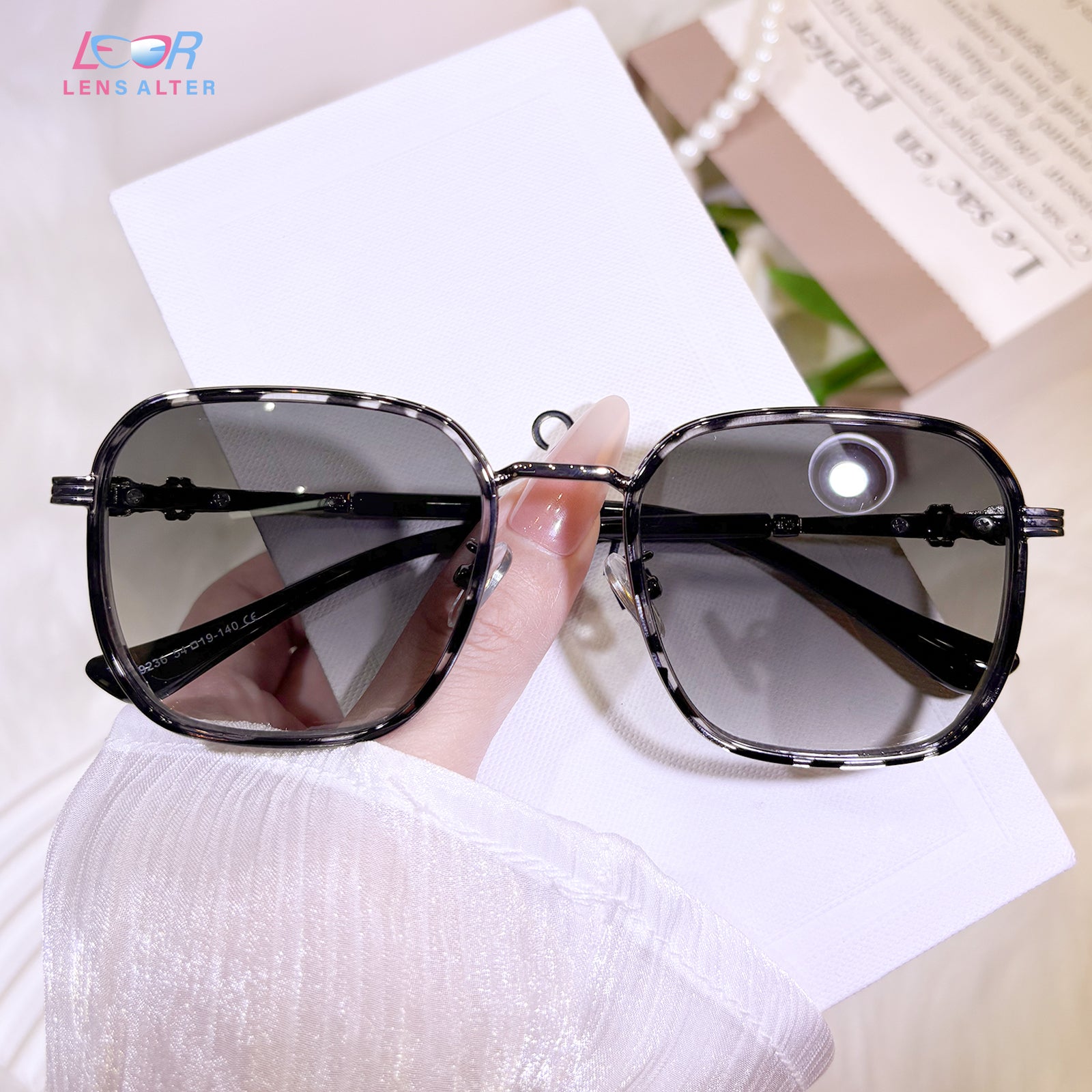
Do Prescription Sunglasses Need UV400? Absolutely
Prescription lenses don’t automatically include UV protection unless specified.
In my clinic, every prescription sunglass we dispense includes uv 400 protection, regardless of lens color or coating. It’s built into the material or applied as a treatment.
If you’re ordering online, always confirm UV400 in writing. I’ve reviewed returns from patients who assumed their prescription lenses were UV-safe… they weren’t.
How to Spot Fake UV400 Sunglasses
This part is important.
Some brands print “UV400” without testing. To protect yourself:
- Look for ISO or ANSI certification
- Buy from optical retailers, not random marketplaces
- Ask for lab reports if possible
In-store, we use handheld UV meters. It takes five seconds to verify. If a seller can’t explain how protection is measured, that’s your cue to walk away.
Read more: How to Spot Low-Quality Sunglasses Before You Waste Your Money
Final thoughts
Speaking honestly… brand matters less than compliance.
I’ve seen $30 sunglasses outperform $300 designer frames in UV testing.
Focus on:
- Verified uv 400 protection
- Proper fit to prevent light leakage
- Polarization if glare is an issue
Eye comfort isn’t luxury. It’s physics.
FAQs
1. What does UV400 mean in sunglasses and is it enough for eye protection?
UV400 means the sunglasses block ultraviolet light up to 400 nanometers, covering both UVA and UVB rays. From an optical safety standpoint, UV400 protection is considered full UV protection and meets international eyewear standards such as ISO 12312-1. For daily outdoor use, UV400 is not just enough, it’s essential.
2. Are UV400 sunglasses required by law in the US, UK, or EU?
In the EU and UK, sunglasses sold to consumers must meet EN ISO 12312-1 standards, which include UV400-level protection. In the US, UV protection is regulated under ANSI Z80.3 standards. While not every pair is legally required to say “UV400,” compliant sunglasses must block harmful UV rays up to 400 nm.
3. How can I check if my sunglasses really have UV400 protection?
The most reliable way is to buy from a licensed optical store or eyewear brand that provides certification. Optical shops use UV meters or spectrophotometers to test lenses. If a seller cannot verify UV400 protection or provide compliance information, the claim should be treated with caution.
4. Are UV400 polarized sunglasses better for driving and outdoor activities?
Yes. UV400 polarized sunglasses combine full UV protection with glare reduction, which is especially helpful for driving, fishing, cycling, and beach activities. Polarization reduces reflected light from roads and water, while UV400 protects long-term eye health.
5. Do prescription sunglasses also need UV400 protection?
Yes, prescription sunglasses should always include UV400 protection. Prescription lenses do not automatically block UV unless the material or coating is designed for it. Reputable optical providers in the US, UK, and EU typically include UV400 protection as a standard feature.